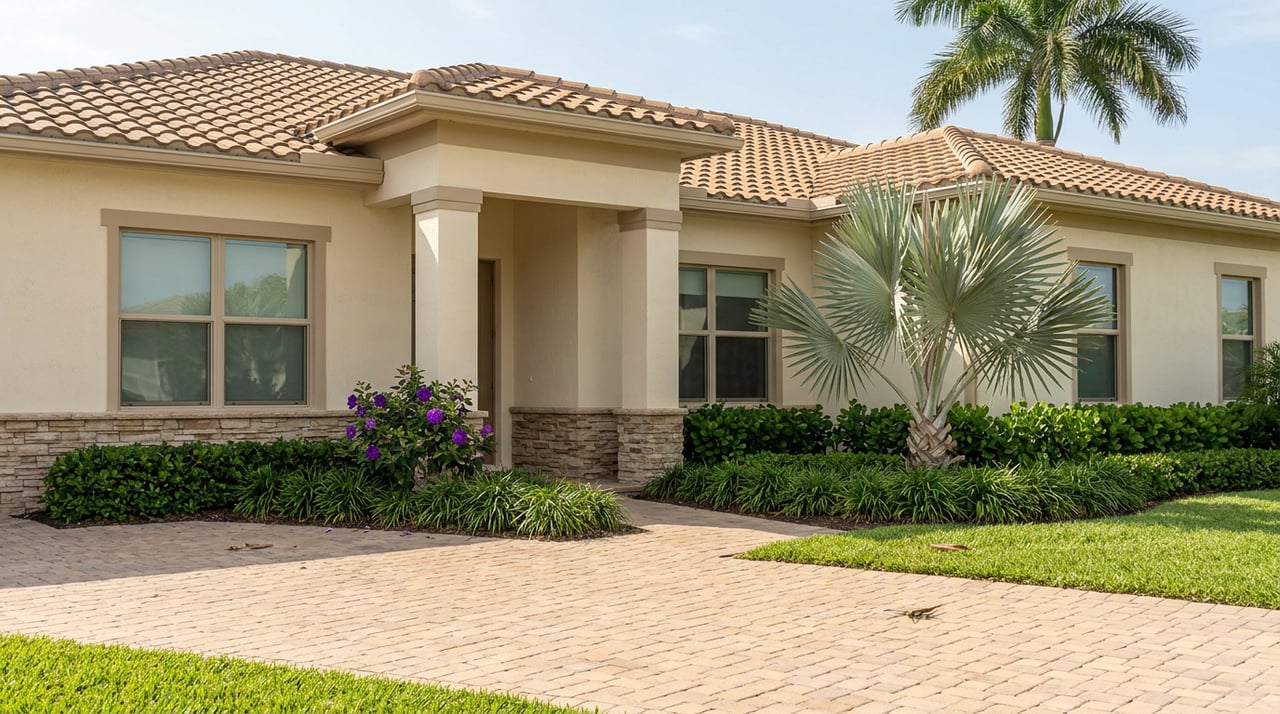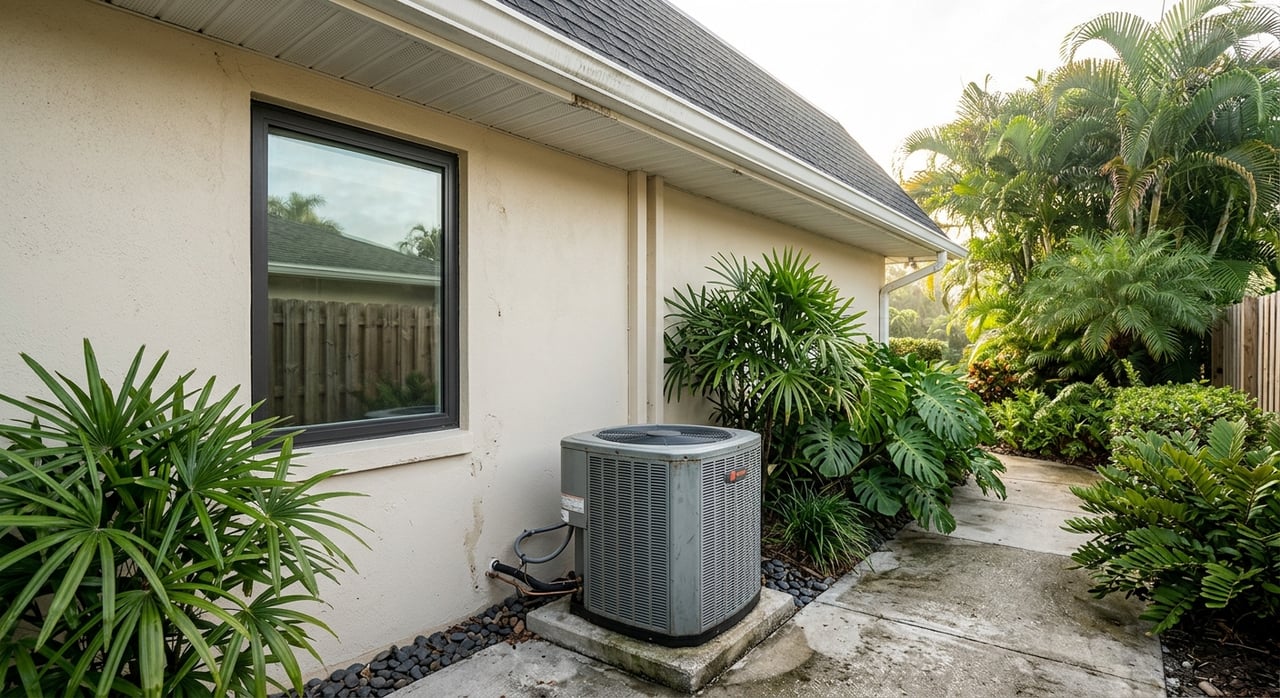
Buying a home with renovation upside in Bradenton can look exciting on paper, but the real opportunity is not always obvious from fresh paint or dated finishes. If you want to know whether a property is a smart project or a costly surprise, you need to look beyond style and into permits, systems, flood exposure, and local rules. The good news is that Bradenton buyers can do a strong first-pass review before making an offer. Let’s dive in.
What makes a Bradenton home a real renovation candidate
In Bradenton, the best renovation candidates are often homes with cosmetic wear and functional datedness, not homes with major hidden problems. A house with an older kitchen, worn flooring, or outdated finishes may offer clear upside if the structure, major systems, and records are solid. That is very different from a home with moisture damage, structural concerns, or unresolved permit issues.
Visible condition matters because it gives you early clues about the true scope of work. Repeated water stains, mold or mildew, damaged walls or floors, cracked foundation areas, and deteriorated seals around windows or doors should be treated as repair signals, not just cosmetic flaws. Those issues can quickly change your budget and your timeline.
Older homes can also present energy-upgrade potential. Drafts around windows and doors, air leaks, and limited insulation may point to worthwhile improvements rather than immediate deal-breakers. Still, those upgrades should be weighed alongside larger items like roofing, HVAC, plumbing, and electrical work.
Focus on the shell before finishes
When you evaluate renovation potential, start with the home’s basic shell. A property with dated design but a sound roofline, dry interior, stable foundation, and manageable system updates is usually more promising than one that looks stylish but has deeper condition problems. In practical terms, the expensive work is often behind the walls or overhead, not in the countertops.
For Bradenton buyers, this is where construction-minded evaluation becomes valuable. Layout changes and major interior rework are not just design choices. Under the Florida Building Code, they also become code and permit questions.
That means a home with easy cosmetic upside may be a stronger buy than one that needs walls moved, systems replaced, and compliance issues sorted out. If the shell is solid, your path is usually clearer.
The systems that can change your budget fast
Some renovation costs are much larger than buyers expect. In Manatee County, permit-triggering work can include roofs and re-roofs, windows and doors, AC replacement or new installation, duct work, water heater work, repiping, new sewer or water service, and many electrical alterations. These are often the real budget drivers in a fixer-upper.
Before you get too attached to finishes, pay close attention to signs that these systems may be nearing the end of their useful life. An older roof, aging HVAC equipment, outdated plumbing, or electrical issues can quickly turn a value-add purchase into a much more expensive project. In many cases, those items matter more than whether the kitchen needs updating.
A simple way to think about it is this:
- Cosmetic work can be planned
- System failures can force your timeline
- Permit-related work can add cost and delay
- Floodplain or historic review issues can limit what you are able to do
How to check permit history before you offer
One of the most useful first steps in Bradenton is reviewing the public record. The Manatee County Property Appraiser updates parcel searches nightly, and its records include permit files with open and closed permits. That gives you a practical way to compare the home’s current condition with its official history.
You can also use the Manatee County online services portal to search permits and track projects through final approval. Within the city, Bradenton also offers online permitting and inspection scheduling through Accela. These tools can help you confirm whether visible updates were properly documented and whether any work remains unfinished.
This matters because a renovated-looking home is not always the same as a properly permitted one. If a seller describes a property as updated, the public record can help you verify what was done and whether the work was finalized. That step can protect you from inheriting problems that surface later.
Why age matters in Bradenton homes
In Manatee County, a home’s build date can tell you something important about wind standards. County guidance notes that homes built on or after March 2012 were required to sustain 150 mph winds. Homes built between March 2002 and March 2012 were required to sustain 130 mph winds. Homes built before March 2002 were built to lower wind standards.
That does not mean an older home is a bad purchase. It means older homes may deserve a closer look when you are evaluating how much updating may still be needed. If the roof has been replaced, it may have been built to newer codes, and there may also be a wind mitigation report tied to that work.
For buyers comparing multiple homes, this can be a useful filter. A home with charm and renovation upside may still be a strong option, but age can affect both resilience and the amount of code-driven work you should expect.
Flood zones and evacuation levels are not the same
This is one of the most important local points for Bradenton buyers. Manatee County clearly states that evacuation levels and flood zones are not the same thing. They also do not directly correlate to hurricane category.
So if you are screening a renovation opportunity, do not assume one map gives you the full picture. You should check the property’s flood zone and evacuation level separately using official local tools. General neighborhood assumptions are not enough.
The county flood tool displays current flood zones and static base flood elevation using property appraiser data. That gives buyers a more reliable first look at flood-related renovation risk. In a market like Bradenton, that review can influence both your renovation budget and what improvements may be feasible.
The Bradenton floodplain rule buyers need to know
If a home is in a flood-related area, renovation planning can become much more complicated. Bradenton’s floodplain guidance explains that for pre-FIRM structures, the FEMA 50% rule limits the cost of improvements, additions, alterations, and repairs to less than 50% of the structure’s market value before work begins. If that threshold is exceeded, the structure is treated as substantially improved and must meet new-construction elevation requirements.
For a buyer, this is a major planning issue. A home may look like a great value-add deal until you realize the intended project could cross that threshold. At that point, the compliance costs can significantly change the math.
The city also states that flood zone determinations can be requested at no cost. That makes it easier to verify conditions early rather than guessing after you are under contract.
Historic districts and zoning can shape the project
Not every renovation question is about the house itself. In Bradenton, location-specific rules can also affect what you can change. The city has two historic districts, and its Architectural Review Board requires a Certificate of Appropriateness for exterior alterations to historic buildings, signage, and some demolitions.
That means a property’s appearance, exterior work, or redevelopment potential may be shaped by historic-review requirements. The city and county also provide zoning and future land use maps through interactive GIS tools, which can help you understand whether a parcel sits in a zoning district, historic district, or another overlay area.
This is why renovation potential should be viewed as both a property condition question and a land-use question. A house may have upside, but the rules attached to the parcel can still influence your options.
A practical pre-offer checklist for Bradenton buyers
Before you make an offer on a Bradenton home with renovation potential, use a simple screening process:
Pull the parcel record first
Review the property appraiser record and permit file for open and closed permits.Match the home to the paper trail
Compare visible updates with the official record to see whether prior work appears documented and finalized.Look for repair signals
Check for water intrusion, stains, mold or mildew, cracks, roof wear, drafts, and signs of aging HVAC, plumbing, or electrical systems.Check flood zone and evacuation level separately
Use official local tools instead of relying on assumptions about the area.Review zoning and historic context
Confirm whether the parcel may be affected by historic-district review, zoning rules, or overlays.Estimate permit-driven scope early
Consider whether your plans are likely to trigger permits, code upgrades, or floodplain review.Stress-test the renovation math
Ask whether the likely compliance costs still leave room for the value you hope to create.
What strong renovation potential usually looks like
In Bradenton, the strongest value-add opportunities often share a few traits. They tend to have cosmetic obsolescence instead of major structural distress, documented permits instead of unclear work history, manageable system updates instead of full replacements everywhere, and no major floodplain or historic-review hurdles.
The weakest candidates are often the opposite. These are homes where hidden compliance costs, unresolved permit questions, or flood-related limitations can consume the margin you thought you were buying. That is why surface-level value is not enough.
If you are buying with renovation in mind, a disciplined review can help you spot the difference early. The right property is not just the one with the lowest price or the prettiest before-and-after vision. It is the one where the condition, records, and local rules all support a realistic plan.
In a market like Bradenton, that kind of evaluation can give you a real edge. With the right guidance, you can separate homes with true upside from homes that only look like an opportunity. If you want a local, construction-informed perspective as you evaluate your next purchase, connect with Gerry Tomchinsky.
FAQs
What should you check first when evaluating renovation potential in Bradenton homes?
- Start with the parcel record, permit history, visible condition, flood zone, evacuation level, and any zoning or historic-district factors tied to the property.
Why does permit history matter for Bradenton renovation homes?
- Permit history can help you confirm whether past work was documented, whether permits were finalized, and whether the home’s visible updates match the official record.
How do flood zones affect renovation plans for Bradenton properties?
- Flood zones can affect what improvements are feasible, what reviews may be required, and whether compliance costs could significantly change your renovation budget.
What is the 50% rule for Bradenton floodplain properties?
- For certain pre-FIRM structures, improvements, additions, alterations, and repairs must stay below 50% of the structure’s market value before work begins, or the home may need to meet new-construction elevation requirements.
Does the age of a Bradenton home affect renovation potential?
- Yes. Build date can provide clues about wind-standard requirements, which may influence how much code-related updating a home could still need.
Are historic districts important when evaluating Bradenton fixer-uppers?
- Yes. If a property is in one of Bradenton’s historic districts, some exterior changes, signage, and demolitions may require review and approval before work can move forward.